
Oracle AI Database, for developers
AI blog Database docker Duality Views Go Graph Java JDBC JMS JPA JSON Kafka livesql microservices MongoDB NodeJS Observability OCI oraclefree Oracle Text ORDS PDB performance PL/SQL python Redis security selectai Spatial SpringBoot Testcontainers True Cache TxEventQ TypeScript Vector Search
-
Oracle AI Database for Free?
Wait — Oracle? For devs? Yeah. Let me show you. docker pull gvenzl/oracle-free:23.26.0-slim-faststart Oracle now gives you a modern, free-to-try database with some surprisingly cool features: You don’t need to be a DBA. You don’t need a license key. You just spin it up and go. In this article, we’ll explore the different ways you… Read More
-

Oracle Kafka APIs and OpenTelemetry
Publish a message, save it in a relational table, and follow the trace from producer to consumer with Oracle Kafka APIs. In this article, we’ll combine events, transactions, relational data, and OpenTelemetry metrics, logs, and traces with a small Java app and Oracle AI Database Free. You can run the entire lab on your laptop,… Read More
-
True Cache with Docker Compose and redis-cli
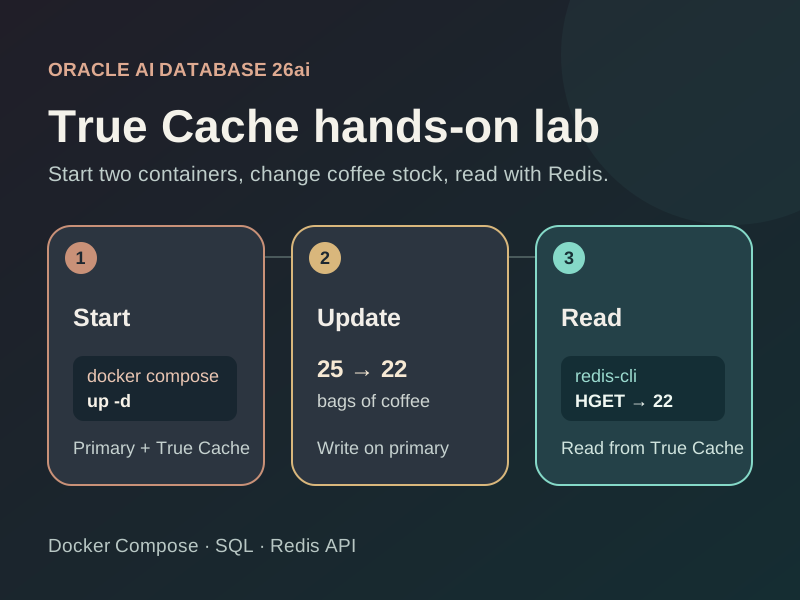
This article demonstrates how to run Oracle True Cache locally with docker-compose for testing, local development, and experimentation. We’ll also enable the True Cache Redis API and verify it with redis-cli. In the compose script, one container serves as the primary database, while the second is the True Cache read-only replica. Both the primary and… Read More
-

Event-driven memory for AI agents with Oracle OKafka
When an agent finishes a task, the next session usually starts from zero. A transcript may exist somewhere, but no useful handoffs, preferences, or decisions make it into persistent, searchable memory. A transcript records what happened. Durable memory is a smaller, curated set of information selected for a purpose, with a source, an access scope,… Read More
-

UCP Metrics for Oracle AI Database
UCP metrics are database-client metrics from Oracle UCP (Universal Connection Pool), Oracle’s JDBC connection pool. Like HikariCP, UCP exposes pool-specific metrics: current and maximum connections, callers waiting for a connection, acquisition time, and pool lifecycle activity. These metrics help separate a slow query from a slow path to a query. When an application exhausts its… Read More
-
With AI, it’s Cheap to Reinvent. But, Maintenance doesn’t go away.
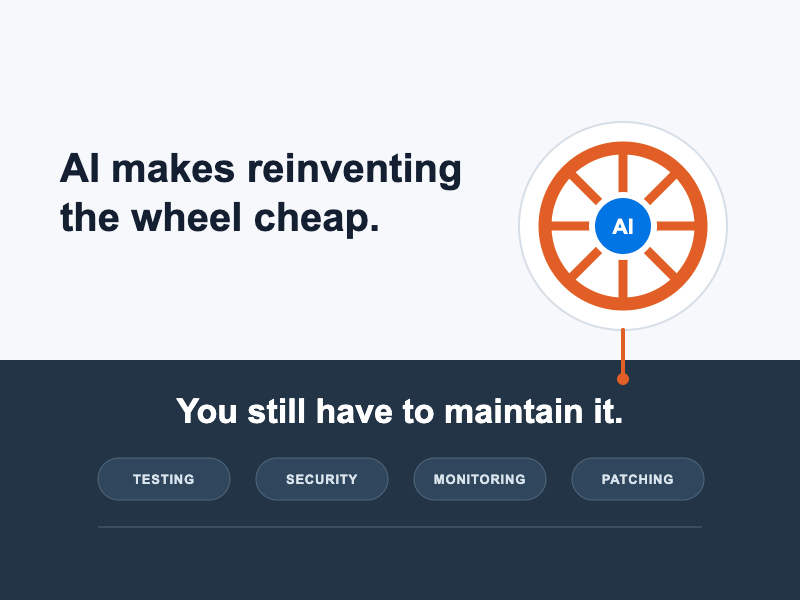
Before you can finish evaluating a library or framework, an AI coding assistant can reinvent a custom implementation for you. In the moment, that can be astonishingly productive. LLMs are exceptional at reproducing prior art, which creates a tendency to favor bespoke software. Generating a new tool can feel faster than understanding, adopting, and configuring… Read More
-
True Cache: in-memory reads for Oracle AI Database
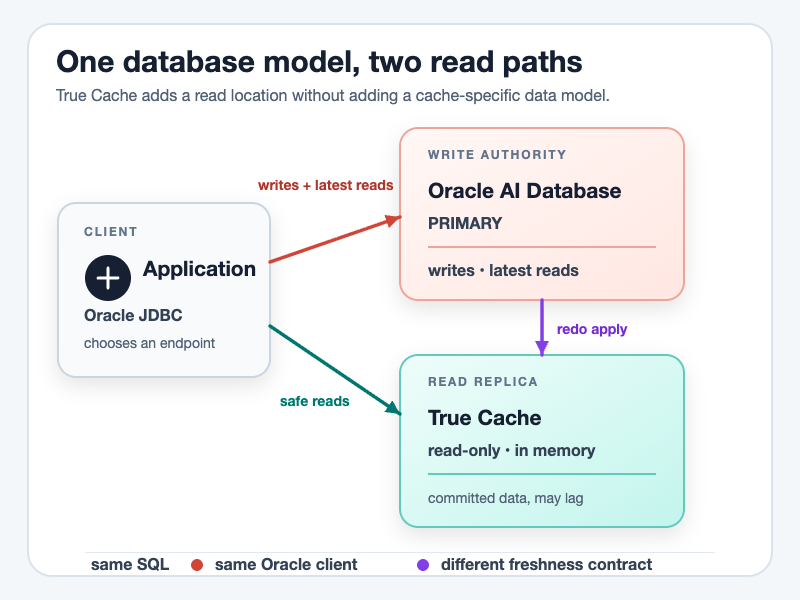
Oracle True Cache is a mostly diskless, read-only cache and replica that stays synchronized through redo apply: Only frequently accessed blocks reside in memory. With True Cache, read-heavy queries can be offloaded to the cache replica, improving performance on the primary. The cache keeps the same client, database model, and SQL interface as your primary database,… Read More
-
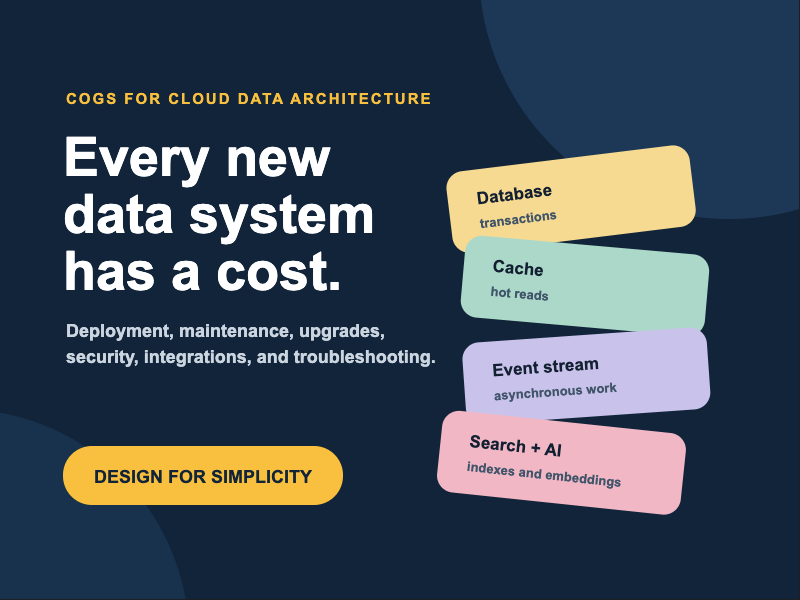
Why Your Cloud Architecture Can Scale Users But Not Costs
If you’ve built software for a while, you’ve probably seen a similar architecture diagram: database for transactions/relational data, Redis for caching, Kafka for events, OpenSearch for full-text and keyword search, object storage as a data lake, and maybe a vector database for AI integration. There’s nothing wrong with these choices: each technology is good at… Read More
-
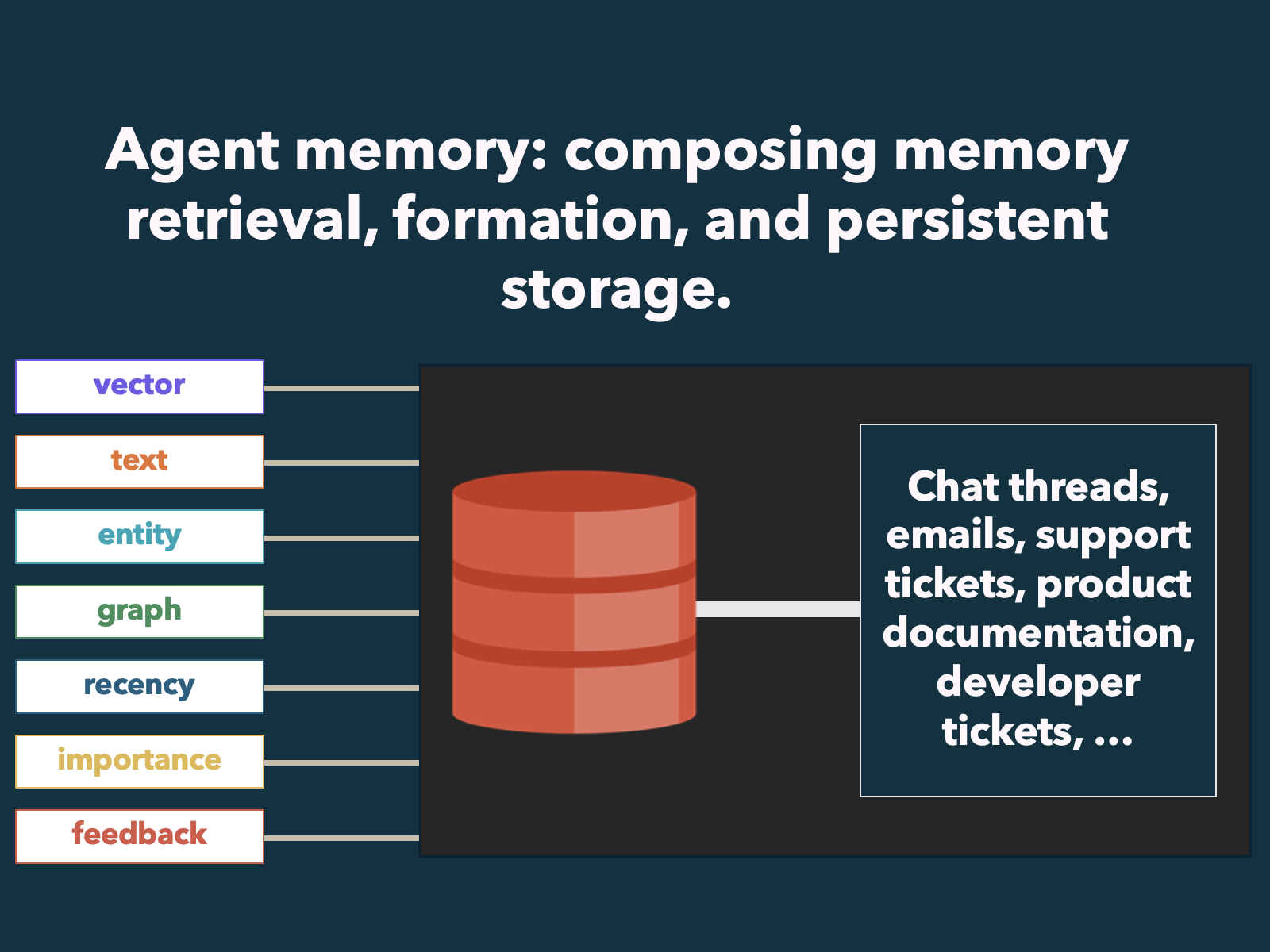
When Code Is Cheap, Agent Memory Becomes the Moat
Agent memory is becoming one of the most important ways to differentiate an AI application. It’s getting much cheaper to turn a good idea into a working app. A small, skilled team with capable models and modern coding tools can get surprisingly far in a couple days. Increasingly, features that took months and a specialized… Read More
-

No separate database required: real-time, multi-model data processing
Real-time, multi-model data processing (and many microservices workflows) often involves transactions across several systems: an event stream, relational history, location data, vector search, and more. When a failure occurs, it can be difficult to reason about: Which work committed? Which message was published? What now needs compensating? In this code example, Oracle AI Database handles… Read More
-

Reactive Java in 2026: Why I Choose Virtual Threads Instead
I remember developing my first reactive application years ago, not too long out of college, using Java 8 and Spring WebFlux. When building the app, it was a seemingly simple decision to use reactive programming: our app dispatched many concurrent HTTP requests to downstream webhooks, so a non-blocking, asynchronous framework would provide the best performance.… Read More
-
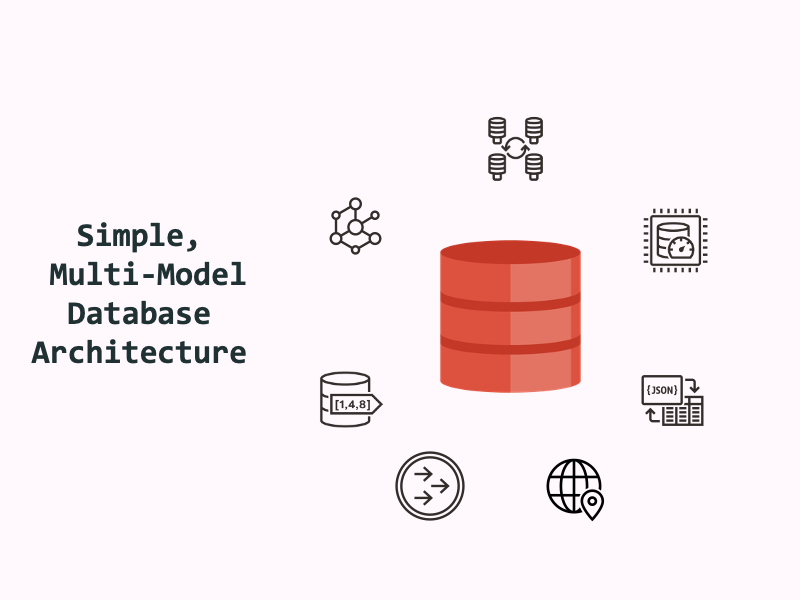
The Value Proposition of a Multi-Model Database
Key takeaways A multi-model database is a database that handles multiple data models and query methods, like vectors, graphs, documents, relational data, and more – in a single, converged engine. Multi-model databases are most valuable when multiple data types are closely related and must be queried transactionally. When working with real-world, multi-model data, I’ve found… Read More
AI blog Database docker Duality Views Go Graph Java JDBC JMS JPA JSON Kafka livesql microservices MongoDB NodeJS Observability OCI oraclefree Oracle Text ORDS PDB performance PL/SQL python Redis security selectai Spatial SpringBoot Testcontainers True Cache TxEventQ TypeScript Vector Search
Hi! Thanks for stopping by.
I’m Anders — A Developer Advocate for Oracle Database, and the writer behind andersswanson.dev.
This space is dedicated to empowering developers and making Oracle Database more approachable. I focus on helping you get the most out of powerful features like AI Vector Search, JSON Relational Duality Views, and Transactional Event Queues with clear, practical examples and real-world use cases.